Debunking 6 Common Myths About Home Generators

December 29, 2025

In today’s world, home power solutions have become an essential part of ensuring continuity during outages. However, many myths persist, clouding consumer judgment and leading to poor decision-making. This article aims to debunk the most common misconceptions surrounding home generators, providing clarity and empowering homeowners with accurate, practical information so they can make confident long-term decisions. As power demands increase and infrastructure faces greater strain, understanding these systems has become more relevant than ever for modern households. Aging electrical grids, population growth, and higher reliance on technology mean that interruptions are no longer rare inconveniences but realistic scenarios that homeowners must plan for.


Myth 1: They Are Too Expensive to Purchase

One of the most common concerns homeowners raise is the upfront cost of a standby or portable power system. While it is true that higher-quality units require an initial investment, that cost should be weighed against the financial risks of extended outages. Food spoilage, frozen pipes, damaged electronics, and temporary relocation expenses can quickly exceed the price of installation. When viewed through the lens of risk prevention, generators often represent a form of financial protection rather than a luxury purchase.


Technological advancements have also played a major role in reducing overall ownership costs. Improved manufacturing processes and increased market competition have expanded the range of available options. Homeowners can now choose systems sized specifically for essential circuits rather than powering an entire house, which significantly lowers both purchase and operating expenses. Over time, these tailored solutions deliver value without unnecessary overspending.


Another factor often overlooked is long-term financial predictability. Power interruptions can introduce unexpected expenses that disrupt household budgets. By planning ahead and investing in a reliable solution, homeowners gain greater control over their financial exposure during outages. This predictability offers peace of mind and contributes to a more resilient household strategy, especially in regions where outages occur several times a year.


Myth 2: Maintenance Is Too Complicated

Another widespread belief is that ongoing upkeep requires advanced technical expertise or constant attention. In reality, routine care is comparable to other household systems such as HVAC equipment. Basic tasks typically include periodic inspections, oil changes, and battery checks. Many homeowners schedule professional servicing annually, while others prefer automated maintenance reminders built into newer systems. According to The Spruce, electricians charge between $163 and $535 for a service call.


Modern designs prioritize user accessibility, making routine checks easier than ever. Clearly labeled components, digital monitoring panels, and automated alerts reduce guesswork and help prevent neglected upkeep. These features simplify ownership and help ensure consistent readiness throughout the year, even for individuals with limited technical experience.


Additionally, maintenance schedules are often flexible and adaptable to household needs. Some systems allow remote monitoring, enabling users to track performance and service requirements from a mobile device. This level of convenience removes much of the perceived burden and reinforces that upkeep is both manageable and predictable when approached proactively.


Myth 3: They Are Noisy and Disruptive

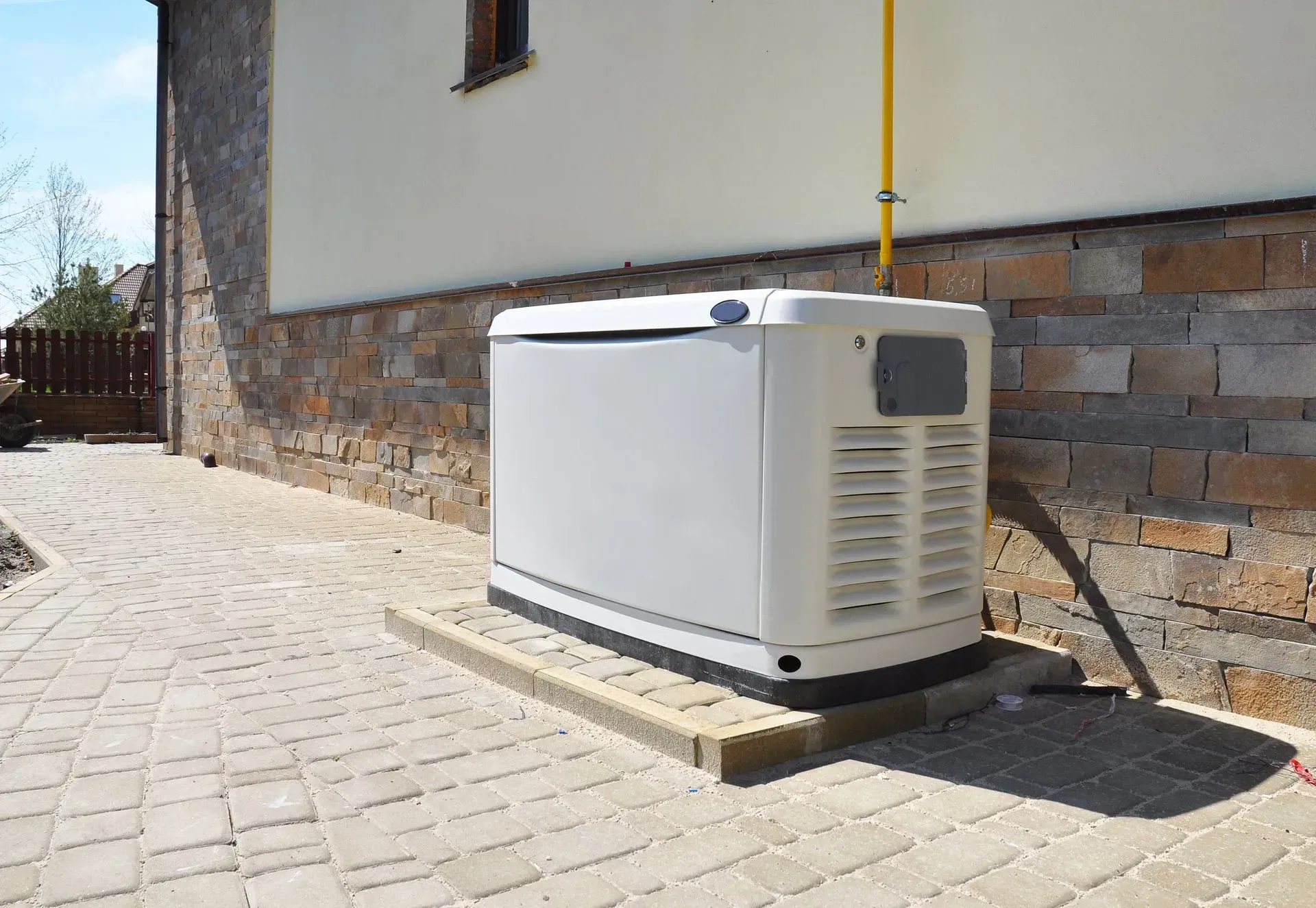
Noise concerns are rooted in outdated perceptions of older equipment. Today’s residential systems are engineered with sound-dampening materials, enclosed housings, and improved engine designs that significantly reduce operational volume. Many units operate at noise levels similar to everyday conversation, allowing them to blend into residential environments without drawing attention.


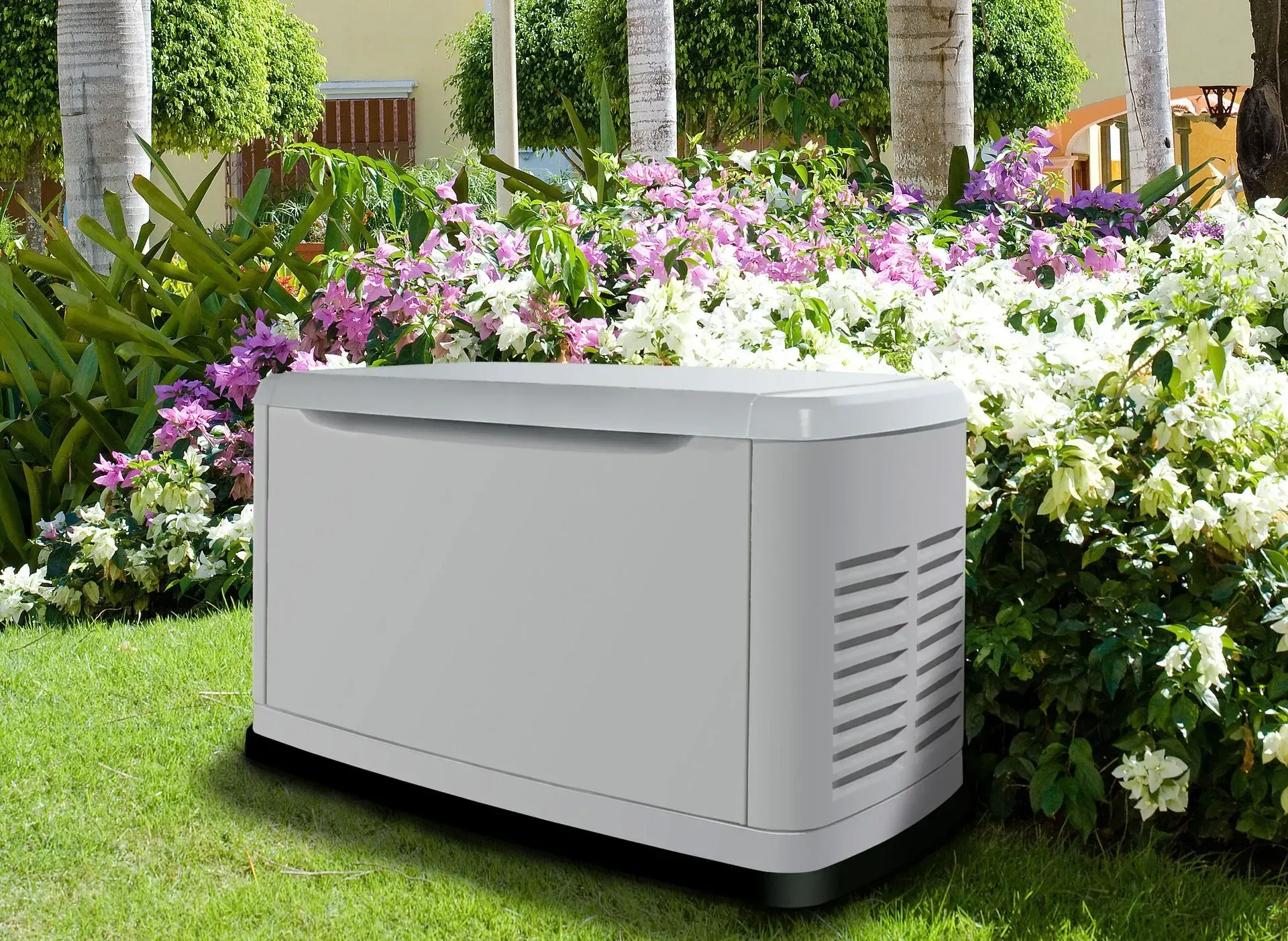
Strategic placement further minimizes sound impact. Installing the unit away from frequently occupied areas, combined with vibration-reducing mounts, helps ensure quiet operation. Landscaping elements such as fencing or shrubs can also act as natural sound barriers, further reducing perceived noise.


Local regulations and community standards have influenced quieter designs as well. Manufacturers recognize the importance of minimizing disturbance, especially in densely populated neighborhoods. As a result, modern options are far better suited for residential settings without compromising performance or reliability.


Myth 4: They Are Only Useful During Natural Disasters

While major storms often highlight the importance of backup power, outages occur for many everyday reasons. Utility maintenance, equipment failures, vehicle accidents, and overloaded grids can all interrupt service without warning. In these situations, a reliable power source maintains security systems, refrigeration, climate control, and communication devices.


For homeowners who work remotely or run businesses from home, uninterrupted electricity is especially critical. Even brief outages can result in lost productivity, missed deadlines, or disrupted online services. In these scenarios, generators serve as a practical tool for maintaining normal routines rather than an emergency-only resource.


Beyond work-related needs, daily comfort and safety also depend on consistent electricity. Heating systems, sump pumps, medical devices, and lighting all contribute to a functional living environment. Maintaining these essentials reinforces the value of preparedness beyond extreme weather events and highlights the everyday usefulness of backup power solutions.


Myth 5: They Are Unsafe for Residential Use

Safety concerns often stem from improper usage rather than the equipment itself. Modern systems are built to meet strict regulatory standards and include features such as automatic shutoff mechanisms, overload protection, and secure ventilation designs. When installed by qualified professionals, these systems integrate safely into residential settings.


Carbon monoxide monitoring technology has also improved safety outcomes. Many newer models include built-in sensors that shut down operation if unsafe levels are detected. Combined with proper placement and routine inspections, these safeguards make residential operation highly dependable.


Education plays a key role in safe operation. Homeowners who understand installation requirements, ventilation guidelines, and operating procedures are far less likely to encounter issues. Clear instructions and professional guidance further reduce risks and promote confident, responsible use.


Myth 6: They Are Unreliable During Long Outages

Reliability concerns are another misconception rooted in older technology. Current systems are designed specifically to operate for extended periods, with durable engines and automated load management that prevents strain. Fuel efficiency has improved dramatically, allowing consistent performance without excessive consumption.


Dual-fuel and alternative fuel options further enhance dependability by reducing reliance on a single energy source. This flexibility allows homeowners to adapt to changing conditions and fuel availability during prolonged utility disruptions.


Preparation also plays a major role in reliability. Understanding fuel storage, load prioritization, and routine testing procedures helps ensure uninterrupted performance. With proper planning and regular checks, generators remain a dependable solution even during extended outages.


Understanding the realities behind common myths allows homeowners to evaluate backup power solutions with confidence. By separating outdated assumptions from modern capabilities, it becomes clear that generators play a meaningful role in maintaining comfort, safety, and continuity. When properly selected, installed, and maintained, they provide long-term value that extends far beyond emergency situations, supporting modern lifestyles that depend on reliable, uninterrupted power. As households become increasingly dependent on technology, consistent electricity is no longer a convenience but a necessity. From smart home systems and remote work requirements to medical equipment and climate control, uninterrupted power supports daily life in ways that were uncommon just a decade ago. Preparing for outages is not about expecting the worst, but about acknowledging realistic risks and planning responsibly. A well-designed backup power solution helps households remain self-sufficient during disruptions while reducing stress and uncertainty. Equally important is the sense of control that preparation provides. Rather than reacting to outages after they occur, homeowners who invest in reliable power solutions take a proactive approach to protecting their homes and families. This preparedness supports safety, preserves property, and maintains normal routines when external systems fail. By understanding how modern generators function and dispelling outdated myths, homeowners are better equipped to make informed decisions that align with both their immediate needs and long-term goals. Ultimately, informed planning transforms backup power from a perceived luxury into a practical component of a resilient, forward-thinking home. Contact our team at J & J Electric Inc today and get connected with our generator services.

Debunking 6 Common Myths About Home Generators
local generator
March 8, 2025
Many electricians now offer services that integrate sustainable energy solutions into homes, from simple wiring changes to the use of a local generator.
generator installation
October 8, 2024
Are you looking for a generator installation? Here are some reasons to have a residential generator. Let's take a look for more information!